
Dr. Zanos presents PROUD study findings at the 6th Interdisciplinary Brain and Mind Congress

Dr. Panos Zanos, Assistant Professor of Neuropharmacology at the University of Cyprus, presented findings from the PROUD clinical trial online at the 6th Interdisciplinary Brain and Mind Congress, held December 18-20, 2025. His presentation, titled “Efficacy of Ketamine for the Prevention of Relapse in Patients with Comorbid Mood and Opioid-Use Disorders,” showcased our groundbreaking research examining ketamine’s therapeutic potential in individuals with opioid use disorder experiencing comorbid depression during abstinence maintenance.
The 6th Brain and Mind Congress is an interdisciplinary symposium that brings together leading researchers, clinicians, and practitioners from neuroscience, psychology, psychiatry, and related fields to discuss cutting-edge advances in understanding brain function and mental health. Dr. Zanos’ presentation highlighted the unique delayed-onset antidepressant profile observed in the PROUD study, where therapeutic effects emerged at twenty-four hours post-infusion and were sustained through follow-up assessments. The presentation also discussed the comprehensive neurobiological assessments conducted in the trial, including heart rate variability, stress biomarkers, synaptic plasticity markers, and electroencephalography recordings, which are providing insights into the mechanisms underlying ketamine’s effects in this vulnerable population.
The PROUD project represents the first randomized controlled trial specifically examining ketamine’s efficacy and safety in addressing both depression and relapse vulnerability in individuals with opioid use disorder during the critical abstinence maintenance phase.
Zanos Lab research on ketamine’s therapeutic mechanisms in depression and Opioid Use Disorder was presented in a seminar at the University of Haifa
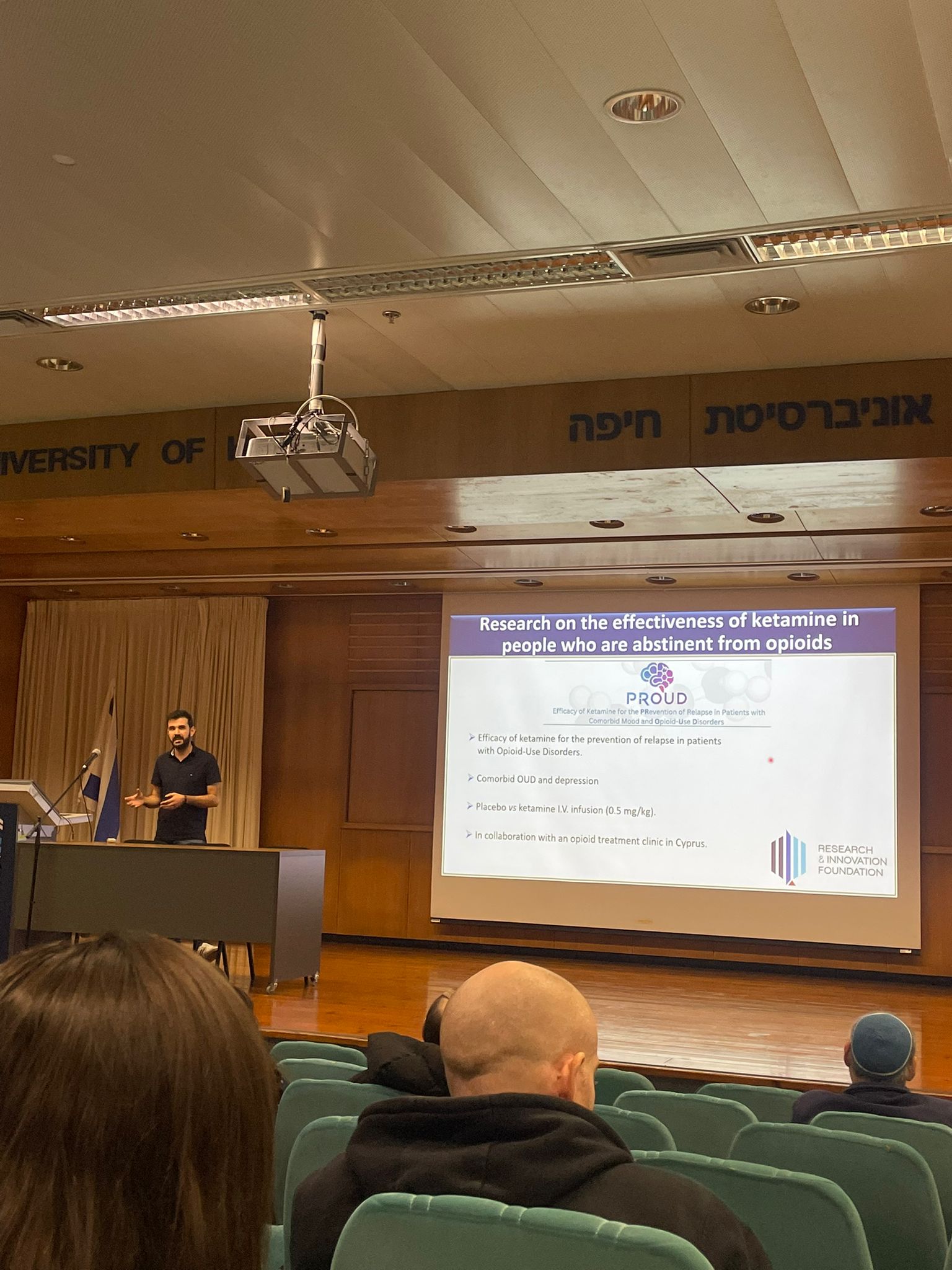
The Zanos Lab presented research on the neurobiological mechanisms underlying ketamine’s efficacy in treating both depression and substance use disorders. Dr. Zanos, Director of the Translational Neuropharmacology Lab, delivered a talk detailing the lab’s multifaceted approach to understanding how ketamine and its metabolites can address two of the most pressing public health challenges of our time: depression and opioid use disorder (OUD).
Depression and opioid use disorder represent significant global health burdens with limited effective treatment options, making the development of novel therapeutic approaches critically important. The Zanos Lab has been systematically investigating the therapeutic potential and mechanistic basis of ketamine and its metabolites using an integrative research strategy that combines behavioral, electrophysiological, and molecular approaches in preclinical models. Through extensive studies in mice, the lab has uncovered a surprising and paradigm-shifting finding: contrary to the prevailing view that ketamine works primarily through NMDA receptor blockade, the research demonstrates that NMDA receptor activation, rather than inhibition, is actually essential for its rapid antidepressant effects. The lab’s work has revealed that ketamine exhibits an inverted U-shaped dose-response relationship, and its antidepressant-like properties, hippocampal AMPA receptor upregulation, and metaplasticity induction are abolished when NMDA receptors are blocked prior to ketamine administration. This discovery extends to ketamine’s key metabolite, (2R,6R)-hydroxynorketamine (HNK), and other rapid-acting antidepressants, all of which require NMDA receptor signaling for their therapeutic actions. Importantly, the research has identified the GluN2A subunit of the NMDA receptor as being both necessary and sufficient for mediating these antidepressant effects, providing a specific molecular target for future therapeutic development.
Building on these mechanistic insights, the Zanos Lab has extended its preclinical investigations to opioid use disorder, demonstrating that (2R,6R)-HNK shows promise in addressing multiple aspects of this devastating condition. In preclinical OUD models, (2R,6R)-HNK effectively countered morphine conditioning in stress-vulnerable mice, prevented withdrawal symptoms, and alleviated anhedonia, anxiety, and cognitive deficits that emerge during protracted abstinence. Perhaps most significantly for long-term recovery outcomes, (2R,6R)-HNK enhanced the extinction of opioid conditioning, blocked stress-triggered relapse, and reduced subsequent opioid consumption. These therapeutic effects appear to be mediated, at least in part, by the compound’s ability to restore disrupted cortical high-frequency EEG oscillations that are characteristic of the addicted brain state. The preclinical findings reveal a convergent therapeutic mechanism whereby (2R,6R)-HNK promotes GluN2A-NMDAR-dependent synaptic plasticity to provide rapid antidepressant effects while simultaneously addressing the negative affective states and relapse vulnerability that characterize opioid use disorder.
Translating these promising preclinical findings to human populations represents the critical next step in developing ketamine-based therapies for opioid use disorder. The Zanos Lab is currently conducting the PROUD study (Prevention of Relapse in Opioid Use Disorder), a Phase II randomized, double-blind, placebo-controlled clinical trial examining ketamine’s efficacy in patients with opioid use disorder who are undergoing opioid substitution treatment. This human study, funded by the Research and Innovation Foundation of Cyprus is investigating whether a two-week regimen of subanesthetic doses of ketamine (0.5 mg/kg) can improve treatment retention, reverse comorbid negative affective behaviors including depression and anhedonia, and prolong abstinence in patients receiving buprenorphine/naloxone maintenance therapy. The study enrolls 60 adults aged 18-65 who meet criteria for moderate-to-severe opioid use disorder and are experiencing depressive symptoms. Beyond assessing clinical outcomes, the PROUD study is also examining novel biomarkers that may predict vulnerability to relapse, including emotion regulation ability measured through heart rate variability, stress response biomarkers such as cortisol and catecholamines, and changes in neural activity measured via EEG spectral analysis. Patients are followed for nine months after their last ketamine infusion to assess long-term effects on relapse prevention. This comprehensive approach aims to not only establish ketamine’s clinical efficacy but also to identify predictive markers that could personalize treatment strategies for individuals at highest risk of relapse during the challenging period of protracted abstinence.
Our Ph.D. student Morfeas Koumas authors public article on Opioid Use Disorder
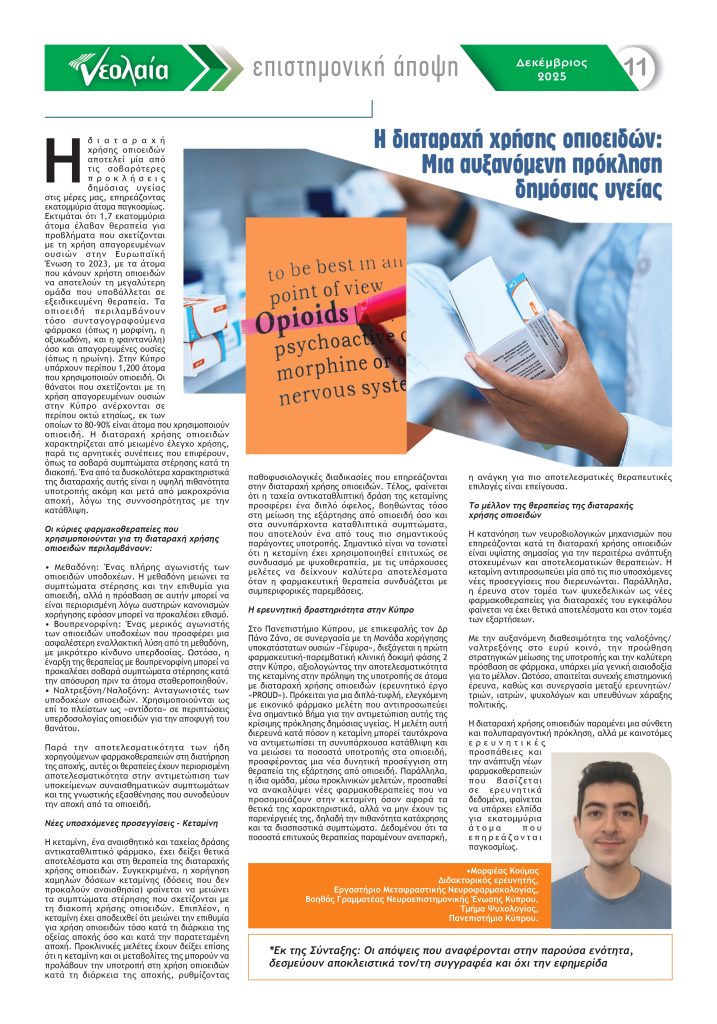
We’re pleased to share that Morfeas Koumas, PhD student in the Zanos Lab, has published an article in Neolaia (Youth), a Cyprus-based journal, as part of the dissemination efforts for our PROUD study. The article, titled “Opioid Use Disorder: A Growing Public Health Challenge,” provides an accessible overview of opioid use disorder and discusses emerging therapeutic approaches, with a particular focus on ketamine’s potential as a novel treatment option. In the article, Morfeas explains how opioid use disorder affects an estimated 1.7 million people in the European Union who received treatment in 2023, and in Cyprus specifically, approximately 1,200 individuals use opioids, with opioid-related deaths representing 80-90% of all drug-related fatalities.
Morfeas discusses how while current pharmacotherapies like methadone, buprenorphine, and naltrexone are effective for maintaining abstinence, they have limited effectiveness in addressing the underlying emotional symptoms and cognitive impairments that accompany opioid withdrawal. He highlights ketamine as a promising therapeutic approach, explaining how this rapid-acting antidepressant shows potential in reducing withdrawal symptoms during opioid cessation, decreasing cravings during both acute and prolonged abstinence, and addressing comorbid depression—a major risk factor for relapse. The article emphasizes that ketamine shows enhanced effectiveness when combined with psychotherapy, offering a dual benefit by helping both with opioid dependence and co-occurring depressive symptoms.
The article features our ongoing PROUD study at the University of Cyprus, led by Dr. Panos Zanos in collaboration with the “Gefyra” (Bridge) substance substitution unit. This double-blind, placebo-controlled study represents Cyprus’s first Phase 2 pharmaceutical-interventional clinical trial and is investigating whether ketamine can simultaneously address comorbid depression and reduce relapse rates in individuals with opioid use disorder. Alongside the clinical trial, Morfeas explains how our team is conducting preclinical research to discover novel pharmacotherapies that replicate ketamine’s therapeutic benefits while minimizing its side effects, including abuse potential and dissociative symptoms.
Scientific symposium: Addressing opioid addiction through interdisciplinary approaches

The Zanos Lab and the PROUD project team successfully hosted a scientific symposium titled “Addressing Opioid Addiction: Interdisciplinary Approaches” on December 5 at the University of Cyprus Library Amphitheater LRC012. This symposium brought together leading experts from psychiatry, clinical psychology, neuropharmacology, and community advocacy to discuss comprehensive approaches to understanding and treating opioid use disorder, one of the most pressing public health challenges facing our society today.
The symposium featured five distinguished speakers who presented diverse perspectives on opioid addiction, reflecting the multifaceted nature of this complex condition. Dr. Evanthia Bella, Psychiatrist and Visiting Lecturer in Psychiatry at the Medical School of the University of Cyprus, opened the symposium with a presentation on clinical assessment and therapeutic challenges in opioid addiction, providing essential insights into the diagnostic and treatment landscape. Following this, Dr. Dimos Fotopulos, Addiction Psychiatrist and Scientific Coordinator of Opioid Agonist Therapy Structures at the Mental Health Services Directorate of Cyprus State Health Services Organization, discussed opioid agonist therapy protocols and safety considerations in clinical practice, offering practical perspectives from the frontlines of addiction treatment. Dr. Marios Adonis, Associate Professor of Clinical Psychology and Chair of the Department of Social Sciences at the University of Nicosia, presented on psychosocial interventions in opioid and other substance addictions, highlighting the crucial role of psychological and social factors in recovery and rehabilitation.
Dr. Panos Zanos, Assistant Professor of Neuropharmacology in the Department of Psychology at the University of Cyprus and Principal Investigator of the PROUD study, presented on ketamine as an innovative pharmaceutical option for opioid addiction. This presentation discussed the translational neuropharmacology research underpinning the PROUD clinical trial, including preclinical findings on ketamine’s mechanisms of action and its potential to address multiple domains of opioid use disorder, from promoting treatment retention to reversing comorbid affective disorders and maintaining abstinence. The presentation bridged basic neuroscience research with clinical applications, demonstrating how mechanistic insights into NMDA receptor-dependent synaptic plasticity can inform novel therapeutic strategies for this challenging condition.
The symposium also featured Ms. Maria Diplarou, Social and Developmental Psychologist and Representative of the Organization of Friends and Relatives of Addicted Persons (OFSEA), who spoke on the crucial importance of the immediate environment and family support systems for individuals with substance use disorders. Her presentation provided valuable insights into the lived experiences of families affected by addiction and the essential role that community-based support plays in long-term recovery. This diverse panel of speakers reflected the symposium’s core theme: that addressing opioid addiction effectively requires an interdisciplinary approach that integrates clinical psychiatry, psychological interventions, neuropharmacological innovations, and community-based support systems. The event concluded with an engaging discussion period, providing an opportunity for attendees to engage with the speakers and explore the synergies between different therapeutic approaches.
The symposium was moderated by Dr. Georgia Panayiotou, Dean of the School of Graduate Studies at the University of Cyprus, and team member of the PROUD project, a clinical trial funded by the Research and Innovation Foundation of Cyprus. The PROUD project represents a pioneering effort to translate cutting-edge neuroscience research into clinical practice, examining whether ketamine can improve outcomes for individuals undergoing opioid substitution therapy. This symposium exemplified the collaborative spirit and translational focus that characterizes the PROUD project, bringing together researchers, clinicians, and community advocates to advance our collective understanding of opioid addiction and develop more effective, evidence-based treatment approaches.
PROUD study findings presented at NeuroGeorgia 2025 international neuroscience conference
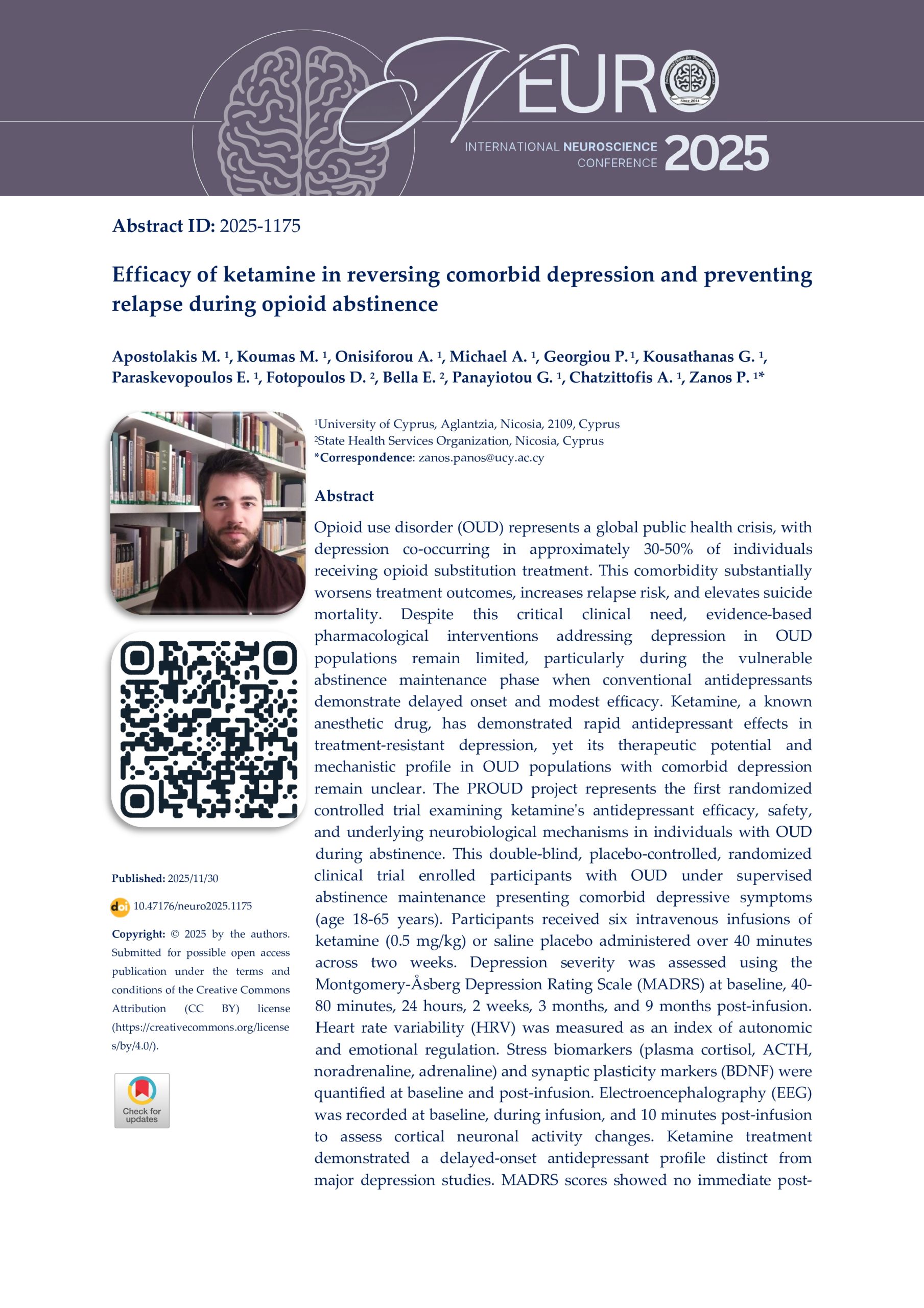
The Zanos Lab recently presented groundbreaking findings from the PROUD clinical trial at the NeuroGeorgia 2025 International Neuroscience Conference. The presentation, delivered by the PROUD research team, showcased the first randomized controlled trial results examining ketamine’s antidepressant efficacy and underlying neurobiological mechanisms in individuals with opioid use disorder during abstinence maintenance. This pioneering work addresses a critical gap in treatment options for a highly vulnerable population facing both addiction and mental health challenges.
Opioid use disorder represents a global public health crisis, with depression co-occurring in approximately thirty to fifty percent of individuals receiving opioid substitution treatment. This comorbidity substantially worsens treatment outcomes, increases relapse risk, and elevates suicide mortality. Despite this critical clinical need, evidence-based pharmacological interventions addressing depression in opioid use disorder populations remain limited, particularly during the vulnerable abstinence maintenance phase when conventional antidepressants demonstrate delayed onset and modest efficacy. While ketamine has demonstrated rapid antidepressant effects in treatment-resistant depression, its therapeutic potential and mechanistic profile in opioid use disorder populations with comorbid depression remained unclear prior to the PROUD study.
The PROUD project represents the first double-blind, placebo-controlled, randomized clinical trial specifically examining ketamine’s efficacy, safety, and neurobiological mechanisms in this population. The study enrolled participants with opioid use disorder under supervised abstinence maintenance who presented with comorbid depressive symptoms, aged eighteen to sixty-five years. Participants received six intravenous infusions of ketamine at a dose of 0.5 mg/kg or saline placebo, administered over forty minutes across a two-week period. Depression severity was assessed using the Montgomery-Åsberg Depression Rating Scale at multiple time points including baseline, forty to eighty minutes post-infusion, twenty-four hours, two weeks, three months, and nine months post-infusion. The study incorporated comprehensive assessments of potential mechanistic factors, including heart rate variability as an index of autonomic and emotional regulation, stress biomarkers including plasma cortisol, adrenocorticotropic hormone, noradrenaline and adrenaline, synaptic plasticity markers such as brain-derived neurotrophic factor, and electroencephalography recordings to assess cortical neuronal activity changes at baseline, during infusion, and post-infusion.
The results presented at the conference revealed a delayed-onset antidepressant profile that was notably distinct from findings in major depression studies. Depression rating scale scores showed no immediate post-infusion group differences at the forty-minute time point, with therapeutic effects emerging at twenty-four hours and sustained through the two-week follow-up period. This unique temporal profile suggests that ketamine may exert its antidepressant effects through different mechanisms or kinetics in opioid use disorder populations compared to individuals with major depression alone. Preliminary mechanistic analyses examining heart rate variability, stress biomarkers, and synaptic plasticity markers revealed promising patterns that could potentially explain some of the unique temporal profile and sustained efficacy of ketamine in this population. These findings suggest that ketamine’s effects in opioid use disorder may involve distinct neurobiological pathways related to stress regulation, autonomic function, and synaptic remodeling.
The findings from the PROUD study suggest that ketamine may offer a novel therapeutic approach for treatment-resistant depression in opioid use disorder populations during abstinence maintenance, with a distinct efficacy profile that differs from its effects in primary depression. The delayed but sustained antidepressant response observed in the study has important implications for clinical implementation, suggesting that patients and clinicians should anticipate a different time course of therapeutic benefits compared to ketamine treatment for major depression. Ongoing analyses of the comprehensive neurobiological data collected in the study may identify biomarkers predicting treatment response in this vulnerable population, potentially enabling personalized treatment approaches that could optimize outcomes for individuals at highest risk of relapse during the challenging abstinence maintenance phase. This work represents a significant advance in addressing the unmet clinical need for effective treatments targeting the intersection of addiction and mental health disorders.
PROUD Project Presented at 15th International Conference of the Center for Applied Neuroscience
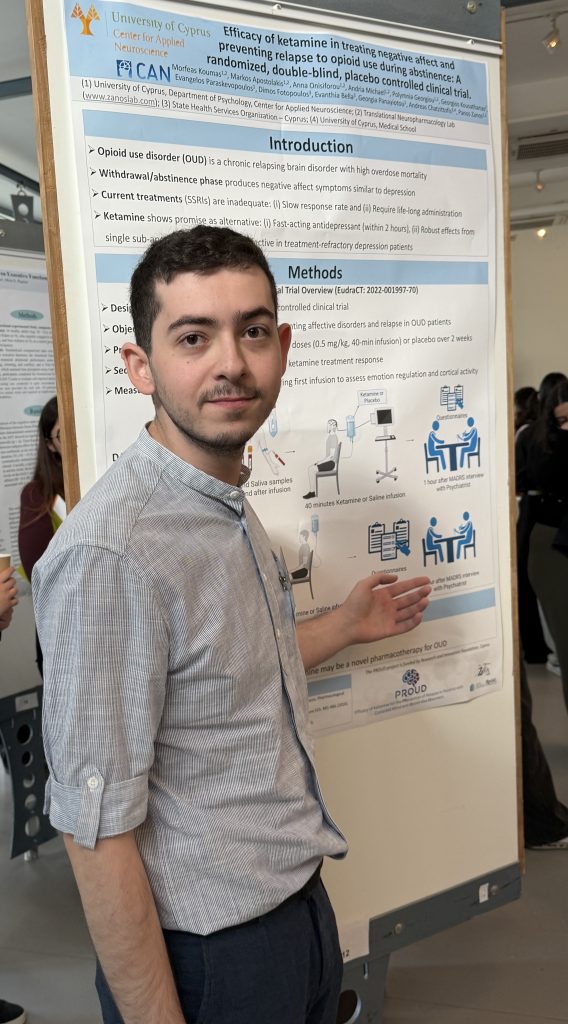
We are pleased to announce that our Ph.D. student Morfeas Koumas presented our “PROUD” project at the 15th International Conference of the Center of Applied Neuroscience, held at the University of Cyprus.
Morfeas’s poster presentation showcased our ongoing randomized, double-blind, placebo-controlled clinical trial investigating the efficacy of ketamine in treating negative affect and preventing relapse to opioid use during abstinence. The PROUD project (EudraCT: 2022-001997-70) represents an innovative approach to addressing a critical gap in opioid use disorder (OUD) treatment.
The study explores ketamine’s potential as a novel pharmacotherapy, leveraging its unique properties as a fast-acting antidepressant that produces robust effects from a single sub-anesthetic dose. The protocol involves six intravenous subanesthetic ketamine doses (0.5 mg/kg, 40-minute infusion) or placebo administered over two weeks. Additionally, the trial aims to identify potential biomarkers predicting treatment response through heart rate variability and EEG measurements during the first ketamine or placebo infusion.
The presentation highlighted the trial’s methodology and its potential impact on developing more effective interventions for individuals with OUD, a chronic relapsing disorder with high overdose mortality.
The PROUD project is funded by the Research and Innovation Foundation and conducted at the premises of the State Health Services Organization of Cyprus and more specifically at the “GEFYRA” (BRIDGE) Substitute Substance Unit.
Dr. Zanos was invited to give a talk at the Foundation for Research and Technology in Crete about our ongoing studies on ketamine and opioid use disorders

Dr. Panos Zanos was recently invited to present at the Foundation for Research and Technology (FORTH) in Crete, where he shared insights into the Zanos Lab’s pioneering work on ketamine and opioid use disorders. His presentation focused on the PROUD study, a groundbreaking clinical trial investigating the therapeutic potential of ketamine in individuals with opioid addiction—the first clinical trial of its kind ever conducted in Cyprus. This milestone represents a significant advancement in addiction medicine research on the island and reflects the lab’s commitment to addressing the opioid crisis through innovative, evidence-based interventions.
A key aspect of Dr. Zanos’s presentation centered on why ketamine represents a particularly promising therapeutic option for individuals struggling with opioid use disorder. Depression is highly prevalent among those with opioid addiction, with studies showing that the majority of individuals in treatment for opioid use disorder experience significant depressive symptoms. This comorbidity creates a devastating cycle: depression increases the risk of relapse, while continued opioid use exacerbates depressive symptoms. Traditional antidepressants often take weeks to show effects and have limited efficacy in this population, leaving a critical gap in treatment options during the vulnerable period of early abstinence.
Ketamine’s unique properties make it an ideal candidate for addressing this dual challenge. Unlike conventional antidepressants, ketamine produces rapid antidepressant effects—often within hours—which could provide immediate relief during the acute withdrawal and early abstinence phases when patients are most vulnerable to relapse. Additionally, emerging evidence suggests that ketamine may help restore neuroplasticity and disrupt maladaptive reward memories associated with drug use. The PROUD study aims to determine whether ketamine’s combined effects on both depressive symptoms and addiction-related neural circuitry can significantly reduce relapse rates and improve overall outcomes for individuals with opioid use disorder in Cyprus, potentially establishing a new standard of care for this population.
Dr. Andria Michael presents research on ketamine-based therapies for opioid relapse prevention as part of the dissemination efforts from our PROUD study
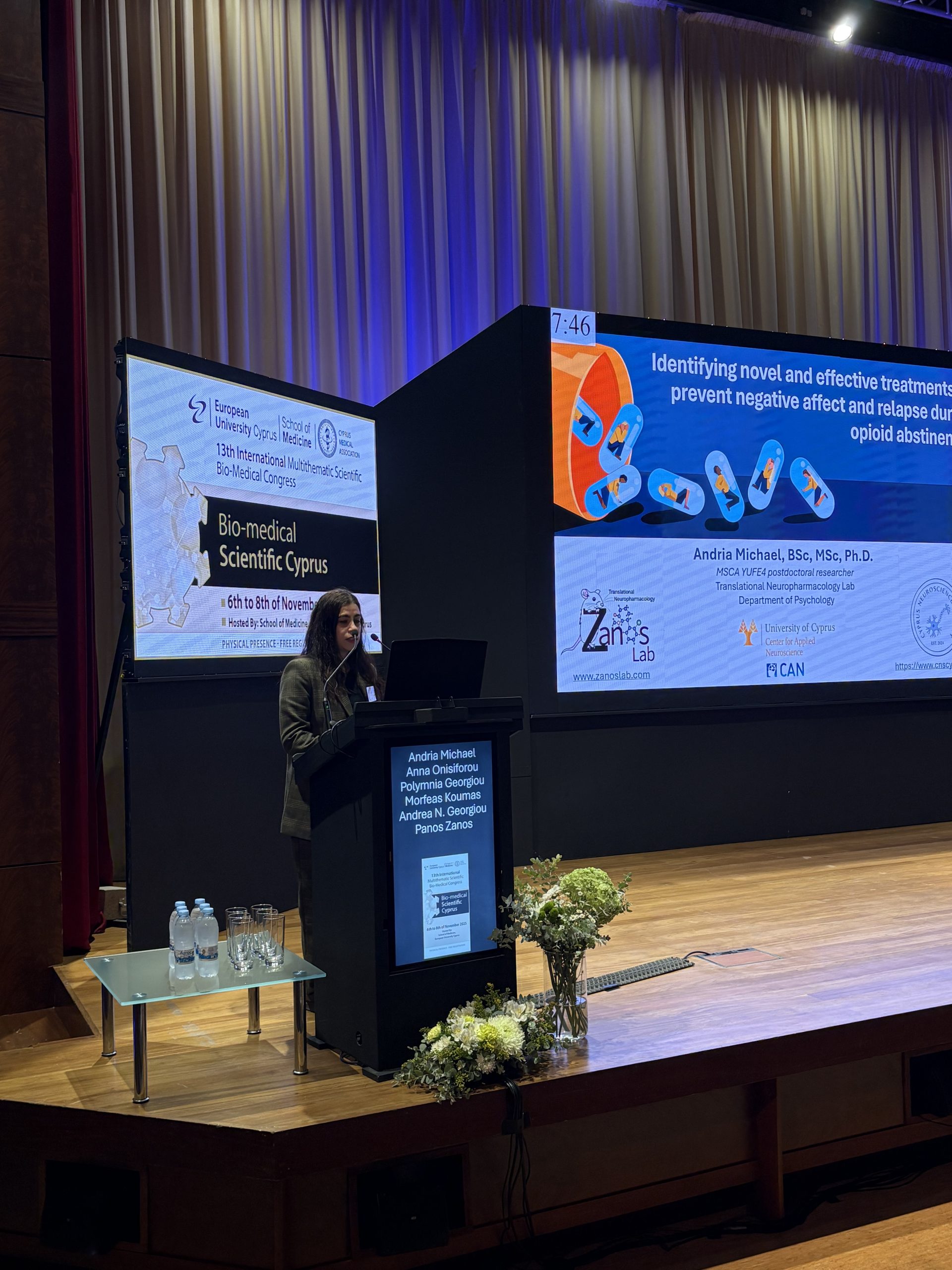
Dr. Andria Michael, a postdoctoral researcher in the Zanos Lab, recently represented our laboratory at the 13th International Multithematic Scientific Bio-Medical Congress in Cyprus, at the European University Cyprus School of Medicine. Her presentation highlighted groundbreaking work on novel pharmacotherapies for preventing relapse to opioid use disorders during abstinence. The research focuses on ketamine, a compound that has shown promising potential in disrupting the neurobiological mechanisms that drive individuals back to drug use after periods of abstinence.
Dr. Michael detailed our ongoing Phase II randomized controlled clinical trial examining the efficacy of intravenous ketamine administration in patients undergoing opioid abstinence. This rigorous clinical study represents a critical step in translating preclinical findings into real-world therapeutic interventions for individuals struggling with opioid use disorder. By carefully monitoring patients’ responses to controlled ketamine treatments, the trial aims to establish both the safety profile and therapeutic potential of this approach in preventing relapse during the vulnerable period of early abstinence.
Beyond the clinical trial, Dr. Michael also explained our parallel efforts using animal models to identify next-generation compounds that could replicate ketamine’s beneficial effects while minimizing its known side effects, such as dissociation and potential for misuse. This translational research approach allows the lab to screen and optimize novel pharmacological agents before advancing them to human studies, potentially paving the way for safer and more effective treatments for opioid use disorder. Through this comprehensive research program, combining clinical trials with mechanistic animal studies, the Zanos Lab continues to advance our understanding of addiction neurobiology and develop innovative therapeutic strategies to combat the opioid crisis.
Community outreach: PROUD project presented to public audience in Paphos, Cyprus

Dr. Zanos presented findings from the PROUD project at the Ierokipio University in Paphos, Cyprus, as part of our commitment to public dissemination and community engagement. The Ierokipio Panepistimio provides lifelong learning opportunities for the general public, creating important bridges between scientific research and community understanding.
The presentation, titled “Novel therapies for brain diseases and how medicines affect our brain,” focused, among others, on innovative approaches to treating opioid use disorder, highlighting the PROUD study’s investigation of ketamine as a potential treatment for comorbid depression during opioid abstinence. Dr. Zanos discussed the neurobiological mechanisms underlying addiction, the challenges of preventing relapse, and how ketamine may offer a novel therapeutic approach by simultaneously addressing both depression and relapse risk.
Opioid use disorder represents a critical public health challenge, and one of the most significant obstacles in treatment is the high rate of relapse driven by persistent depression and negative emotional states during recovery. The PROUD study—Cyprus’s first drug-intervention clinical trial—is exploring whether ketamine can address this gap in current treatment options.
The presentation generated engaging discussions with community members about addiction, brain health, and the development of evidence-based treatments. Public engagement activities like this are essential for raising awareness about opioid use disorder, reducing stigma, and fostering informed dialogue about innovative therapeutic approaches.
We thank the Ierokipio University Paphos for this opportunity to share our research with the community and look forward to continued public engagement as the PROUD project advances.
Featured in Nature Mental Health: PROUD Project advancing ketamine research for Opioid Use Disorder
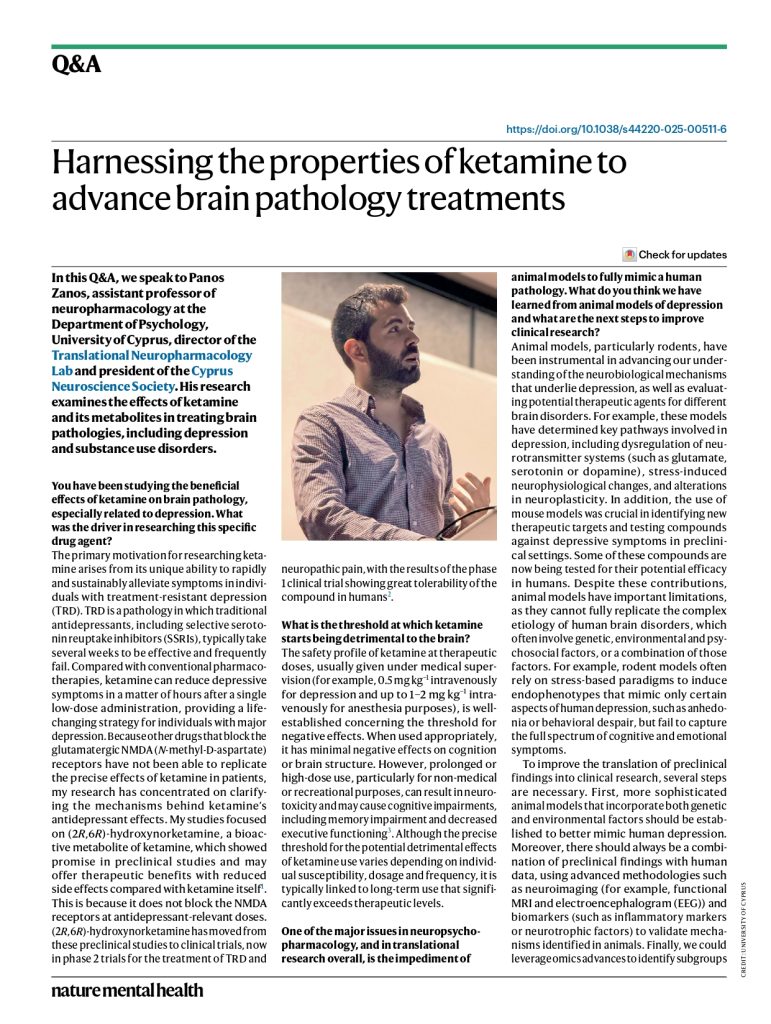
We are excited to share that Dr. Panos Zanos, Principal Investigator of the PROUD project and Director of the Translational Neuropharmacology Lab, was recently featured in a Q&A article published by Nature Mental Health. The discussion highlights our groundbreaking clinical research on ketamine, with particular emphasis on the PROUD study—Cyprus’s first-ever drug-interventional clinical trial.
The article spotlights our pioneering work in Cyprus, where we are conducting a phase 2, double-blind, placebo-controlled clinical trial evaluating ketamine’s effectiveness in preventing relapse in individuals with opioid use disorder. The PROUD (Preventing Relapse in Opioid Use Disorder) study represents a historic milestone for clinical research in Cyprus and addresses a critical gap in treatment options for opioid addiction—a growing public health crisis both locally and globally.
One of the most challenging aspects of treating opioid use disorder is preventing relapse during recovery. Individuals in prolonged abstinence often experience negative emotional states, including depression and anxiety, which serve as powerful triggers for relapse. While current substitution therapies help maintain abstinence, they have limited efficacy in addressing these underlying affective symptoms. The PROUD study investigates whether ketamine can simultaneously address comorbid depression and reduce relapse rates, offering a novel dual-action approach to opioid addiction treatment.
The conversation in Nature Mental Health also explores ketamine’s unique ability to rapidly alleviate symptoms in individuals with treatment-resistant depression, where traditional antidepressants often fail or take weeks to become effective. Our laboratory’s research has investigated (2R,6R)-hydroxynorketamine, a bioactive metabolite of ketamine that shows promise in preclinical studies and may offer therapeutic benefits with reduced side effects. This compound has now advanced to phase 2 clinical trials for treatment-resistant depression and neuropathic pain, with phase 1 results demonstrating excellent tolerability in humans.
Looking toward the future, Dr. Zanos expresses optimism about the potential of ketamine-based interventions to address treatment-resistant depression and substance-use disorders. The PROUD project exemplifies this promise, combining rigorous clinical methodology with innovative pharmacological approaches to tackle one of the most challenging conditions in addiction medicine.
This feature in Nature Mental Health underscores the impact and international recognition of the PROUD project and the broader work being conducted at the Translational Neuropharmacology Lab. We are honored to contribute to the global conversation on advancing treatments for substance use disorders and mental health conditions.
To read the full Q&A article visit Nature Mental Health: https://www.nature.com/articles/s44220-025-00511-6.
PROUD project featured in Cypriot “Politis” newspaper

Our PROUD study pharmacist, Georgios Kousathanas, was recently featured in the Cypriot “Politis” newspaper discussing the groundbreaking research being conducted through the PROUD project on ketamine as a potential treatment for opioid use disorder. The article highlights the innovative work our team is conducting to investigate ketamine’s therapeutic potential in preventing relapse among individuals recovering from opioid addiction.
In this feature, Georgios discusses how the PROUD clinical trial is exploring ketamine’s unique mechanisms that may help address one of the most challenging aspects of opioid addiction treatment: preventing relapse during recovery. Unlike traditional substitution therapies, ketamine may target the underlying neurobiological changes associated with prolonged opioid use, including the negative emotional states and cravings that often trigger relapse. This represents a novel approach to addressing the critical gap in current treatment options for opioid use disorder.
As both a registered pharmacist and key member of the PROUD research team, Georgios provides valuable insights into the scientific rationale behind this first-of-its-kind clinical trial in Cyprus. The newspaper coverage helps raise public awareness about the PROUD project and the urgent need for innovative treatments to combat the opioid crisis.
We’re pleased to see the PROUD project’s pioneering work on novel therapeutic approaches for opioid addiction gaining media attention and contributing to the broader conversation about addressing substance use disorders in Cyprus.
Dr. Zanos was invited to discuss groundbreaking ketamine clinical trial on Cyprus Broadcasting Corporation

We are pleased to announce that Dr. Zanos was recently invited to appear on the Cyprus Broadcasting Corporation (RIK) to discuss our laboratory’s groundbreaking clinical trial investigating ketamine as a treatment for opioid use disorder (OUD).
This pioneering study—the first of its kind in Cyprus—is being conducted at the National Opioid Substitution Pharmacotherapy Clinic. Designed as a double-blind, placebo-controlled trial, it aims to evaluate ketamine’s potential in preventing relapse and prolonging abstinence in OUD patients, particularly those with co-occurring depression.
This research marks a significant milestone for clinical studies in Cyprus, paving the way for future innovative trials in the country. By addressing the complex challenges faced by individuals with OUD and comorbid depression—an often underdiagnosed and undertreated condition that can severely impact recovery—our trial seeks to fill a crucial gap in treatment strategies.
Through this rigorous investigation, our laboratory is advancing evidence-based treatments for substance use disorders while establishing a foundation for future clinical research initiatives in Cyprus.
We look forward to sharing updates as this important study progresses. This research exemplifies our commitment to developing novel therapeutic approaches for complex psychiatric conditions and expanding the frontiers of clinical research in Cyprus.
For more details, visit the official clinical trial registry: EU Clinical Trials Register – Ketamine for OUD Study.
Dr. Zanos presents groundbreaking research on novel therapeutic approaches for opioid addiction

We are pleased to announce that Dr. Zanos recently delivered an impactful presentation on innovative approaches to treating opioid addiction. The lecture highlighted cutting-edge research developments and provided insights into the PROUD study, a pioneering clinical trial investigating ketamine’s potential in preventing opioid relapse.
During this enlightening session, Dr. Zanos shared important findings about the complex relationship between opioid addiction and affective disorders, emphasizing the critical need for more effective therapeutic interventions. Attendees learned about the limitations of current opioid substitution treatments and the promising potential of novel pharmacotherapies.
A significant portion of the presentation focused on the PROUD study – the first drug-interventional clinical trial of its kind in Cyprus. Dr. Zanos discussed how this groundbreaking research explores ketamine’s efficacy in preventing relapse among individuals with opioid use disorder, particularly during extended abstinence periods. The presentation provided valuable insights into the study’s innovative approach to identifying biomarkers that may predict relapse vulnerability and treatment efficacy.
This public engagement event reflects our ongoing commitment to advancing addiction treatment through rigorous scientific research while ensuring effective dissemination of our findings to both the scientific community and the general public.
High-impact peer-reviewed publication based on our PROUD project: Ketamine as a Potential Treatment for Opioid Use Disorder.


The Zanos lab is excited to announce the publication of our latest research paper in the prestigious journal Biological Psychiatry. Our study explores the potential of ketamine and its metabolites as novel therapeutic strategies for treating Opioid Use Disorder (OUD).
In this comprehensive review, we examine both preclinical and clinical research on ketamine’s potential in OUD treatment. The paper discusses ketamine’s promise in managing acute withdrawal symptoms, alleviating negative affect during protracted opioid abstinence, and preventing relapse. We also delve into the molecular targets of ketamine and its metabolites, exploring their relation to OUD treatment outcomes.
Our findings suggest that ketamine and its metabolites can effectively modulate pathophysiological processes affected in OUD, offering a promising new avenue for treatment and relapse prevention. Importantly, our review indicates that ketamine and its metabolites could be tested in clinical trials for their efficacy in treating OUD. We propose that these compounds could initially serve as adjuncts to current therapies, with the potential to be developed into standalone monotherapies in the future.
For more information: https://www.biologicalpsychiatryjournal.com/article/S0006-3223(24)01591-9/fulltext

Behind-the-Scenes Look: Lab Techniques
Ever wondered what happens behind the scenes? Our team is working diligently on biomarker analysis using ELISA measurements. These insights will help us identify predictors of relapse and improve treatment outcomes for opioid addiction.
These measurements play a crucial role in understanding relapse vulnerability and the mechanisms that extend abstinence periods. Every data point brings us closer to developing groundbreaking strategies to prevent relapse in opioid use disorder patients.
Stay tuned for more updates!
PROUD project highlighted by the State Health Services Organisation in Cyprus
We are beyond than happy to share that the PROUD project, led by the University of Cyprus, was recently featured in State Health Services Organisation, OKYPY’s social media announcements. This recognition underscores the significance of our research efforts and their impact on public health in Cyprus.

PROUD project supports development of novel bioinformatics framework for studying disease comorbidity.

The PROUD project is pleased to announce the publication of a methodological study funded through the project budget, titled “One path, two solutions: Network-based analysis identifies targetable pathways for the treatment of comorbid type II diabetes and neuropsychiatric disorders” in the Computational and Structural Biotechnology Journal (2024).
This publication, authored by Dr. Anna Onisiforou and Dr. Panos Zanos, presents the development of a novel pathway-based network computational framework designed to identify critical shared disease mechanisms between comorbid conditions. The initial development and validation of this computational approach utilized Type 2 Diabetes Mellitus and neuropsychiatric disorders (including Major Depression, Bipolar Disorder, Anxiety Disorder, and Schizophrenia) as a proof-of-concept model system due to the extensive availability of publicly accessible data for these conditions, which enabled robust testing and refinement of the bioinformatics methodology. Based on that development, we then asked data specific for Opioid-use disorders that we will be directly working on and understand the connections with Depression, using our developed bioinformatics methodology.
The research team developed and validated this bioinformatics approach using available public data to uncover shared molecular pathways and potential therapeutic targets between comorbid diseases. The framework employs complementary analytical methods, including a unique “minimum path to comorbidity” algorithm that identifies the shortest path fostering comorbid development. This analysis revealed key shared pathways such as PI3K-Akt signaling, MAPK signaling, calcium signaling, and apoptosis pathways that contribute to disease comorbidity.
Importantly, this computational framework is designed to be adaptable to study other complex comorbid conditions. As part of the PROUD project’s research objectives, this bioinformatics code will be applied to investigate the neurobiological connections between depression and opioid use disorder. Understanding the molecular mechanisms underlying the frequent comorbidity of depression and opioid addiction is crucial for developing more effective treatment approaches, which aligns directly with the PROUD project’s mission to evaluate ketamine’s efficacy in preventing relapse in individuals with opioid use disorder.
The methodology represents a significant advancement in comorbidity research, particularly given the lack of available transcriptomic data from patients with multiple concurrent conditions. By leveraging network-based approaches and pathway analysis, the framework provides insights into shared biological mechanisms that might be targeted therapeutically to address both conditions simultaneously. This work lays important groundwork for the PROUD project’s future analyses examining how depression and opioid use disorder are interconnected at the molecular level, which will inform our understanding of ketamine’s therapeutic potential in treating these comorbid conditions.
PROUD Project Engages Clinicians, Professionals, and Patient Representatives at Substance Use Disorders Awareness Event.

As part of the PROUD project’s commitment to stakeholder engagement, Dr. Zanos was invited by OFSEAK Cyprus to deliver a keynote address on the neurobiology of drug addiction at a Substance Use Disorders Awareness event in Cyprus. This event served as a key platform for fulfilling our project deliverable to invite and engage clinicians, healthcare professionals, and patient representatives in dialogue about opioid use disorder treatment and research.
Dr. Zanos’s presentation provided critical insights into the neurobiological mechanisms underlying drug addiction, fostering important discussions about innovative treatment approaches. The event successfully brought together a diverse audience of stakeholders essential to the PROUD project’s mission, including leading scientists, healthcare professionals, policymakers, and patient advocates. The attendance of Cyprus’s Minister of Health underscored the national significance of addressing substance use disorders.
This engagement activity demonstrated the PROUD project’s dedication to building collaborative networks with clinical practitioners, mental health professionals, and patient representatives who play vital roles in treating opioid use disorder. By sharing research findings and facilitating dialogue among these key stakeholders, we continue to work toward improving treatment outcomes and reducing the burden of opioid addiction in Cyprus and beyond.
The event received extensive coverage from several television outlets, helping to raise public awareness about substance use disorders and the innovative research being conducted through the PROUD project.
PROUD Research Presented at ACNP 2023

In December 2023, Dr. Panos Zanos and the PROUD research team presented findings at the American Congress of Neuropsychopharmacology (ACNP) 2023 Annual Meeting. The poster presentation, titled “Ketamine Metabolites as Next-Generation Pharmacotherapies for Treating Opioid Addiction,” shared promising preclinical evidence exploring novel approaches to help prevent relapse in opioid addiction, supporting the foundational science behind the PROUD project’s clinical research.
One of the greatest challenges in treating opioid addiction is preventing relapse. During prolonged abstinence, individuals often experience negative emotional states including social withdrawal and anhedonia (inability to feel pleasure), which can trigger relapse. While current substitution therapies help maintain abstinence, they have limited efficacy in treating these underlying emotional symptoms. Although ketamine has shown potential in reducing relapse rates, concerns about side effects and abuse potential have limited its widespread application, prompting researchers to investigate its mechanisms and therapeutic potential more thoroughly.
The preclinical research demonstrated that ketamine-based compounds reversed withdrawal-related symptoms, including decreased sociability, reduced pleasure response, and other behavioral changes associated with opioid withdrawal. Importantly, these compounds also prevented stress-induced relapse to opioid-seeking behavior, providing mechanistic insights that inform the PROUD project’s clinical investigation of ketamine’s efficacy in preventing relapse in individuals with opioid use disorder.
These findings contribute to understanding how ketamine-based interventions may help address critical gaps in current treatment options. The PROUD project builds on this foundational research to evaluate ketamine’s potential to improve outcomes for individuals in recovery from opioid addiction.
Our team co-organizes and participates in clinical trial training workshop based on our ketamine-PROUD project

In December 2022, our team participated in a landmark workshop on “Correct Clinical Practice” co-organized by Dr. Zanos and OKYPY (State Health Services Organisation), hosted at the General Hospital of Nicosia. This training session marked a significant milestone for clinical research in Cyprus, as it prepared the foundation for the PROUD project to become the first medicine intervention clinical trial ever conducted in the country.
The workshop brought together specialists in clinical research with extensive experience in medicine, neuropharmacology, and bioethics from the United Kingdom, the United States, and Greece. The training covered essential aspects of clinical research methodology and the regulatory framework necessary for conducting drug intervention trials in Cyprus. Given that PROUD represents Cyprus’s inaugural pharmacological clinical trial, establishing these procedures and ensuring compliance with international standards for Good Clinical Practice was paramount.
The collaboration between the University of Cyprus research team and OKYPY, Cyprus’s largest healthcare provider, demonstrates the commitment to conducting rigorous, ethically sound research while advancing the country’s capacity for clinical trials. This partnership has been instrumental in navigating the regulatory landscape and ensuring that the PROUD project meets the highest standards of clinical research as we investigate ketamine’s potential to prevent relapse in individuals with opioid use disorder.
This workshop not only prepared our team for the challenges of implementing Cyprus’s first drug intervention trial but also laid important groundwork for future clinical research in the country, potentially opening doors for additional investigational studies that can benefit patients across Cyprus.
Our study is now underway
Our study, which examines the efficacy of ketamine in preventing relapse to opioids during protracted opioid abstinence and aims to identify the neural substrates for its efficacy, has commenced.
We express our gratitude to the Research and Innovation Foundation of Cyprus for funding our study (EXCELLENCE/0421/0543).
We employ blood-based biomarkers and EEG measurements to elucidate the mechanisms of action of ketamine as a novel treatment for opioid addiction.


Our new Instagram post promoting recruitment strategies for our PROUD project.

Exciting Update: Our Study is Officially Registered!
We are thrilled to announce that our latest research study has been successfully registered in the EU Clinical Trials Register under the Trial ID 2022-001997-70. This milestone reflects our ongoing commitment to advancing scientific discovery and ensuring transparency in clinical research.

About the Study. The currently-prescribed opioid substitution treatments exhibit limited efficacy in reversing negative affect or preventing relapse in opioid abstinent individuals, emphasizing the need for innovative therapeutics in the treatment of opioid addiction. Research has shown a high incidence (ranging from 40 to 60%) of depression and other affective disorders in opioid use disorder treatment-seeking populations. Emerging evidence suggests that ketamine may hold promise for the treatment of drug addiction, with findings indicating that ketamine administration may extend periods of abstinence, including opioid addiction. However, it remains unclear whether ketamine reverse affective behaviors emerging during protracted opioid abstinence and lead to relapse. Furthermore, the mechanisms underlying these potentially beneficial effects of ketamine have not been fully characterized. Our overarching goal is to identify biomarkers predicting vulnerability to relapse during opioid abstinence and assess whether ketamine can serve as a treatment to decrease the likelihood of relapse following extended opioid abstinence. We also aim to pinpoint neurobiophysiological markers that predict both vulnerability to relapse and the efficacy of ketamine in preventing relapse among opioid addicts. We are currently running the first ever drug-interventional clinical trial ever conducted in Cyprus to assess the efficacy of ketamine to prevent relapse: EudraCT: 2022-001997-70.
Next Steps. We are now moving forward with participant recruitment, data collection, etc. Stay tuned for updates as we progress in this exciting journey!
Assessment of Ketamine’s efficacy on Opioid Addiction and Relapse Prediction.

This comprehensive study aims to evaluate ketamine’s multifaceted impact on opioid addiction treatment and relapse prevention in opioid use disorder (OUD) patients. We will first assess the efficacy of subanesthetic ketamine doses as an adjunct treatment for opioid addiction to alleviate negative affective behaviors, and extend abstinence periods, expecting measurable positive outcomes within hours of administration. Secondly, our study focuses on identifying stress, psychological, and neurophysiological biomarkers to predict opioid relapse, anticipating correlations between stress system activation, emotional regulation, and improved treatment outcomes, particularly with ketamine. Lastly, our investigation delves into acute ketamine-induced changes in cortical neural activity, particularly high-frequency oscillations, aiming to predict reversal of negative affective behaviors, and sustained opioid abstinence post-ketamine administration, where higher gamma power is expected to correlate positively with ketamine’s therapeutic effects in OUD patients.
NEW ACHIEVEMENT: Dr. Zanos has successfully secured €199,920 in funding from the Cyprus Research and Innovation Foundation for a new project exploring ketamine’s efficacy to prevent opioid relapse.

Exciting developments are underway in our new research initiative, where we are delving into the promising realm of drug repurposing. Specifically, our project focuses on the repurposing of ketamine to assess its efficacy in preventing relapse among patients battling with comorbid mood and opioid-use disorders. This innovative approach aims to leverage the therapeutic potential of ketamine in a novel context.
Beyond evaluating the effectiveness of ketamine in averting relapse, our study also aims to unravel the neurobiophysiological mechanisms underlying through which ketamine exerts its effects, aiming to comprehend how it prolongs periods of abstinence and acts as a formidable barrier against the resurgence of opioid dependence.
What makes our study particularly groundbreaking is that it signifies a pioneering milestone for clinical research in Cyprus. This project is the first-ever interventional clinical trial with drug administration of its kind in the country, highlighting our commitment to advancing scientific knowledge and therapeutic possibilities in the field of substance use disorders.